
9 F.L.O.W. QiGong
The Body Keeps Score
In this space, we confront the silent killer - chronic stress.
PHYSIOLOGICAL STRESS
We live in a world where so many of us are walking around with nervous systems stuck in overdrive—caught in a constant loop of fight, flight, or freeze. We don’t always recognize it, but our bodies do. The weight of unprocessed stress isn’t just about long workdays, full schedules, or life’s inevitable ups and downs. It runs deeper. It lingers in the body, shaping how we move, how we breathe, how we rest.
Physiological stress is the body’s built-in alarm system, designed to protect us. A quickened pulse, a rush of adrenaline, the tightening of muscles—it’s a survival response, natural and necessary. But when stress becomes a constant state instead of a passing wave, the body holds on. Unresolved emotions, outdated beliefs, subconscious fears—these become silent triggers, keeping the system on high alert even when there’s no immediate danger. And here’s the tricky part: you might not feel stressed, but your body knows. It carries the tension in your shoulders, the tightness in your chest, the fatigue that lingers no matter how much rest you get.
Over time, chronic stress wears on the body. It shows up as inflammation, exhaustion, pain, and imbalance. When the nervous system stays stuck in survival mode, the body struggles to do what it was made to do—heal, restore, thrive. Every organ, every muscle, every cell is affected. The body keeps score, even when the mind tries to push forward.
But here’s the truth: you can’t release what you don’t acknowledge. Healing begins with awareness. With slowing down. With giving the body permission to reset. When we tend to our nervous systems, we tend to our whole selves. And that is where the real work begins
Exploring Qigong for Chronic Stress Relief
Qigong is an invitation—a gentle return to yourself. With each slow, flowing movement, your body unwinds, tension softens, and the nervous system takes a deep, necessary exhale. Science calls it activating the parasympathetic nervous system, shifting from fight-or-flight to a state of rest. But beyond the science, there is a knowing—your body remembering safety, balance, and ease.
Often called the “mother” of Tai Chi, Qigong is the root—a practice that moves with you rather than against you. While Tai Chi follows a structured path, Qigong is a practice of simple, intentional movement designed to support the body from the inside out. With each gentle motion, it engages the muscles, tendons, ligaments, and organs, encouraging circulation, flexibility, and balance. Rooted in both tradition and science, Qigong works by combining movement, breath, and mindfulness to reset the nervous system, bringing the body into a state of harmony and rest.
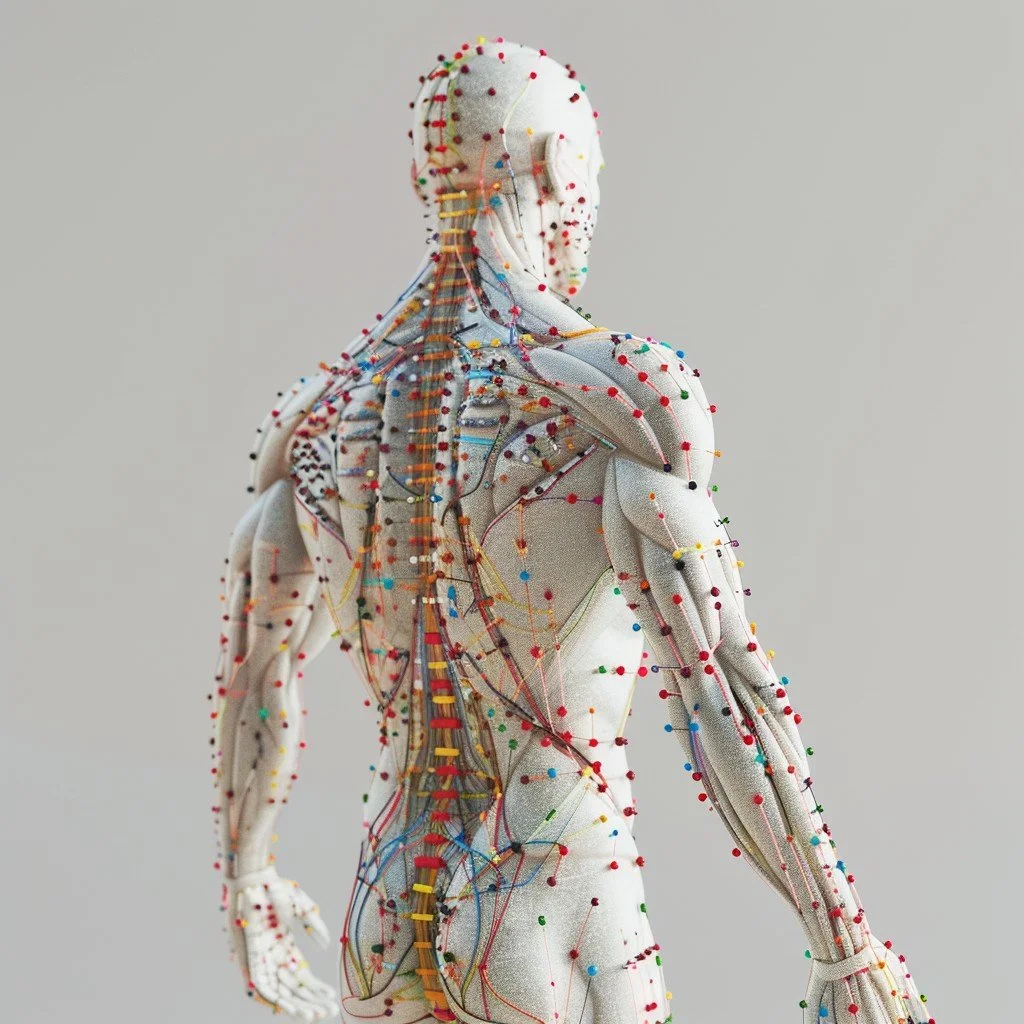
The Many Benefits of QiGong
Stress Reduction
Improved Mind-Body Connection
Enhanced Relaxation
Better Sleep Quality
Enhanced Emotional Regulation
Increased Strength and Endurance
Improved Digestive Function
Enhanced Circulation
Better Joint Health
Lowered Blood Pressure
Increased Energy Levels
Improved Mental Clarity
Enhanced Immune Function
Improved Posture and Balance
Enhanced Flexibility
Pain Management
Reduced Anxiety
Better Respiratory Function
Cardiovascular Health Support